

Repair Torn Seats Before They Split Further
Upholstery Repair in Hillsboro for torn seams and worn seat bolsters
DMH Automotive Enterprises repairs interior upholstery for drivers who need torn seat seams stitched, burn holes patched, or worn bolsters restored before the damage spreads across the entire panel or before exposed foam starts to crumble. You schedule an appointment when a split along the driver's seat seam grows longer each week, when a cigarette burn near the center console becomes a distraction, or when the side bolster on your seat shows bare padding from repeated entry and exit over years of commuting.
We work on cloth and leather interiors, restitching torn seams with reinforced thread and rebuilding worn bolsters so they regain their original shape and support. The repair stops the tear from running farther down the seat, restores a uniform appearance to the damaged panel, and makes the interior more comfortable during your daily drive. Addressing upholstery damage early costs less than replacing the entire seat cover and keeps your vehicle's resale value from dropping due to visible interior wear.
If you notice torn fabric, burns, or worn sections in your vehicle's interior, bring it to our Portland-area shop for an inspection and a written estimate based on the extent and location of the damage.
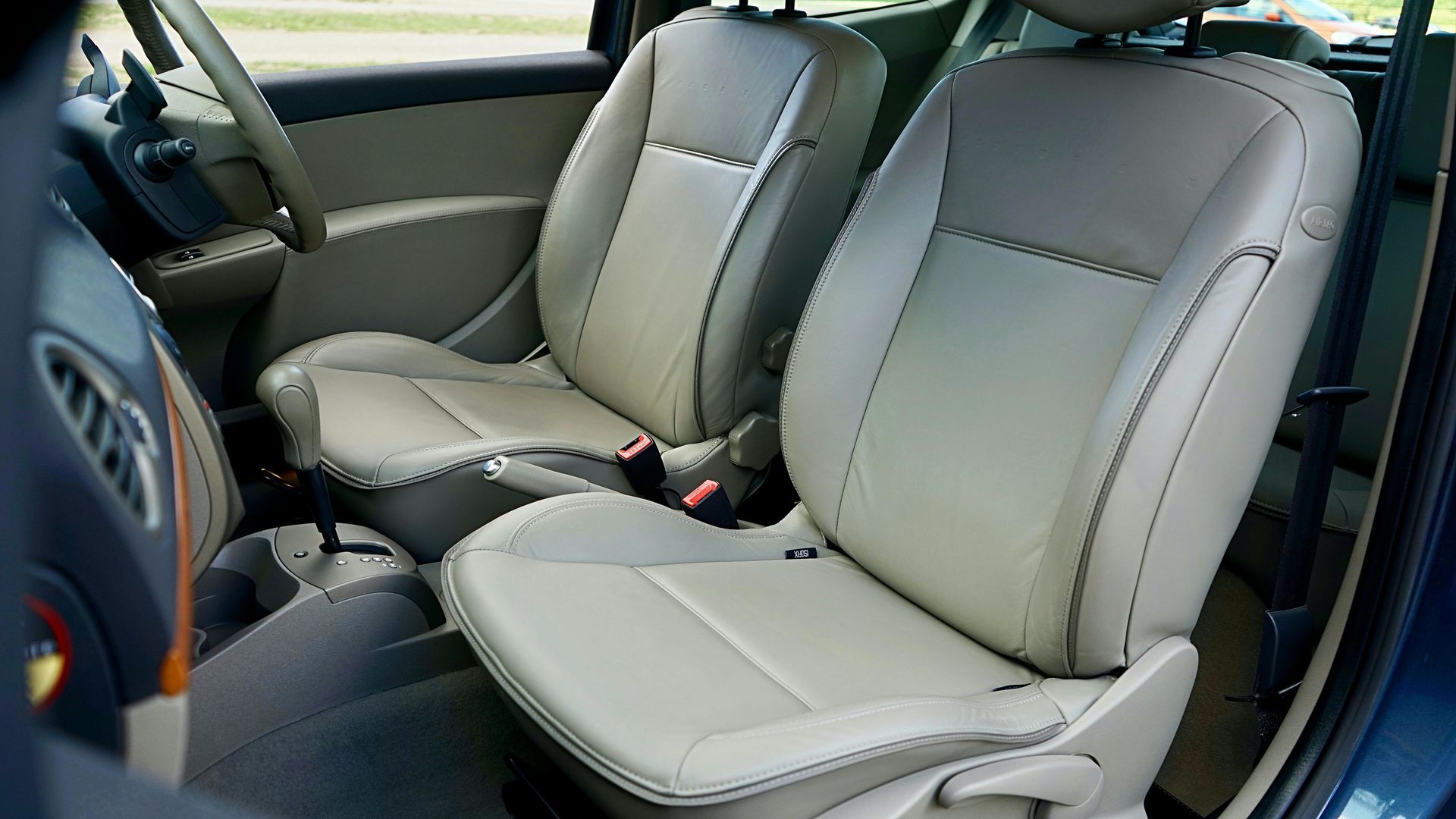
Techniques We Use to Restore Seat Material
You receive repairs performed with thread that matches the original weight and color, and we use a curved needle to access seams from beneath the seat cover without removing the entire panel unless the damage requires full access. For burns and small tears in leather, we apply a filler that bonds to the surrounding material, then texture and dye the patch to blend with the grain and color of the original surface.
After the work is complete, you see a seat that no longer shows open tears, and the repaired section feels firm under your weight without sagging or pulling apart when you slide into the seat. DMH Automotive Enterprises restores the bolster contour so it supports your leg during turns and does not collapse under repeated use. The stitching holds through daily wear, and the patched areas resist cracking or peeling when exposed to heat from summer sun or cold from winter mornings.
This service addresses isolated tears, burns smaller than a half-dollar, and worn sections limited to a single panel. We do not replace entire seat covers or repair damage caused by frame failure, and we clarify what can be stitched or patched versus what requires replacement during the initial assessment. Extensive sun damage that has made the material brittle across the entire seat may not hold a repair.
What Drivers Ask About Upholstery Work
Clients in the Portland area often want to know how we match color on older seats and whether repaired sections hold up under regular use.
To schedule an inspection of torn seats, burns, or worn panels in your vehicle's interior, call DMH Automotive Enterprises at (503) 351-0224 and bring your vehicle to our location in the Portland Metropolitan Area for an estimate and repair timeline.